
Who Were the Lotus-Eaters?
The Lotus-Eaters neither imprison nor devour Odysseus’ companions. They offer them food. That is precisely where the danger lies: once they have tasted it, the men no longer want to return home. Homer’s episode does not securely identify either the plant or the place; the North African associations appear in later sources.
The Danger That Does Not Attack
Sección titulada «The Danger That Does Not Attack»After rounding Cape Malea, adverse winds drive Odysseus off course for nine days. On the tenth, his ships reach the land of the Lotus-Eaters (Odyssey 9.80–84). The crew go ashore, collect water and eat beside the ships. Odysseus sends two companions and a herald to discover who lives there.
The envoys encounter the Lotus-Eaters, who give them lotus to eat. Those who taste the food, sweet as honey, no longer wish to report back to Odysseus or return. They would rather stay and go on eating lotus (Odyssey 9.91–97).
This is not described as a formal ceremony of hospitality. The Lotus-Eaters simply offer the envoys food instead of attacking them. Polyphemus and the Laestrygonians will threaten the men with physical violence; here the danger works through attraction, not force.
Odysseus acts at once. He drags the weeping men back to the ships and ties them beneath the benches, then orders everyone aboard and sails away before anyone else can taste the lotus (Odyssey 9.98–104). The decision is coercive, but its purpose in the story is clear: Odysseus must keep the possibility of returning home alive, even against the wishes of those who no longer want to go back.
Eating and Forgetting the Homecoming
Sección titulada «Eating and Forgetting the Homecoming»What is at stake is nóstos: the return home after the war. The passage says νόστου τε λαθέσθαι (nóstou te lathésthai, ‘to forget the homecoming’). The verb λαθέσθαι (lathésthai) means ‘to forget’, and its explicit object is nóstos (Odyssey 9.97).
Homer does not say that the men forget who they are, Ithaca or their entire past. Nor does he describe a trance, sleep or intoxication. The poem combines forgetting the homecoming with losing the desire to return: the envoys no longer wish to carry news to Odysseus or sail home. That is enough to suspend the purpose around which the poem is organised.
The lotus does not physically block the route; it makes returning home seem no longer worth pursuing. The Odyssey will imagine other forms of delay and separation, including the stays with Circe and Calypso, though each follows its own logic. Here the threat is simpler and more radical: the desire to return home fades away without chains, combat or monsters.
What Was the Lōtós?
Sección titulada «What Was the Lōtós?»The Greek word λωτός (lōtós, ‘lotus’) cannot be securely identified with a single species in modern botanical classification. An ancient plant name could refer to different plants depending on the writer and the context. Homer speaks of a sweet food described as flowering; he does not identify a species or describe its petals, habitat or preparation.
Today, the word ‘lotus’ often brings to mind a large aquatic flower, but that image may be misleading. In this episode, the lotus is first and foremost something to eat. Later accounts of the Lotus-Eaters chiefly describe fruit.
In Histories 4.177, Herodotus places a people called the Lotus-Eaters on the coast of Libya. According to his account, they live on the fruit of the lotus, which resembles the fruit of the mastic tree in size and a date in sweetness. They also make wine from it. To a Greek of the fifth century BCE, the name ‘Lotus-Eaters’ could thus evoke a North African population and an edible fruit. But this testimony does not establish which plant Homer had in mind.
Herodotus also uses the name lōtós for certain Egyptian aquatic plants, whose roots and other parts could be eaten (Histories 2.92). The contrast shows that the term did not denote a single plant. Theophrastus, meanwhile, describes a woody Libyan lotus with divided leaves and sweet fruits (Enquiry into Plants 4.3). He distinguishes varieties, mentions the hard stone inside the fruit and wine made from some of the fruits, and associates one variety with the so-called island of the Lotus-Eaters. His description is more specific, but it does not provide a definitive botanical identification.
One plausible modern identification for the fruit-bearing North African lotus is Ziziphus lotus (L.) Lam., of the family Rhamnaceae. Kew describes it as a thorny shrub found in parts of the Mediterranean and North Africa, including Tunisia, Libya, Algeria, Morocco and Egypt. Its fleshy, edible fruits contain a stone and may turn reddish as they ripen. Its small, yellowish flowers bear little resemblance to the large aquatic flower of popular imagination. This identification fits certain ancient descriptions of the Libyan lotus, but it does not establish what Odysseus’ companions ate.
Nymphaea lotus L., by contrast, is an African aquatic plant of the family Nymphaeaceae, with large white or cream-coloured flowers. It helps us understand the lotuses found in Egyptian contexts, but it is not the leading candidate for the Lotus-Eaters’ fruit. Since ancient writers used the name ‘lotus’ for different plants, we cannot know with certainty which one Homer had in mind.
Plants Called ‘Lotus’: Historical Botanical Illustrations
Sección titulada «Plants Called ‘Lotus’: Historical Botanical Illustrations»The plates below show plants associated with the name lōtós in ancient sources or later botanical traditions. They illustrate the variety of plants linked to that name, although none can be securely identified as the lotus eaten by Odysseus’ companions.
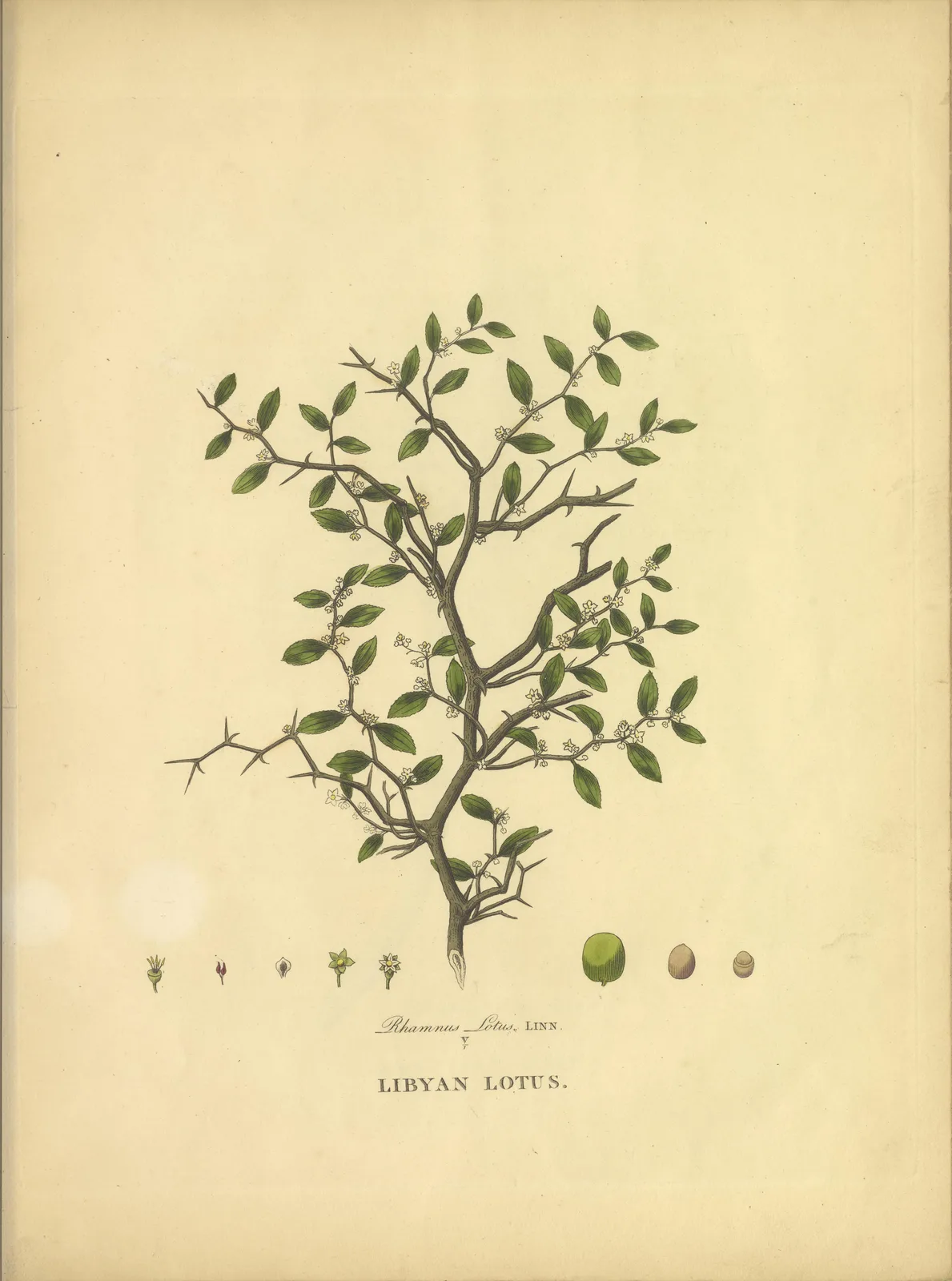
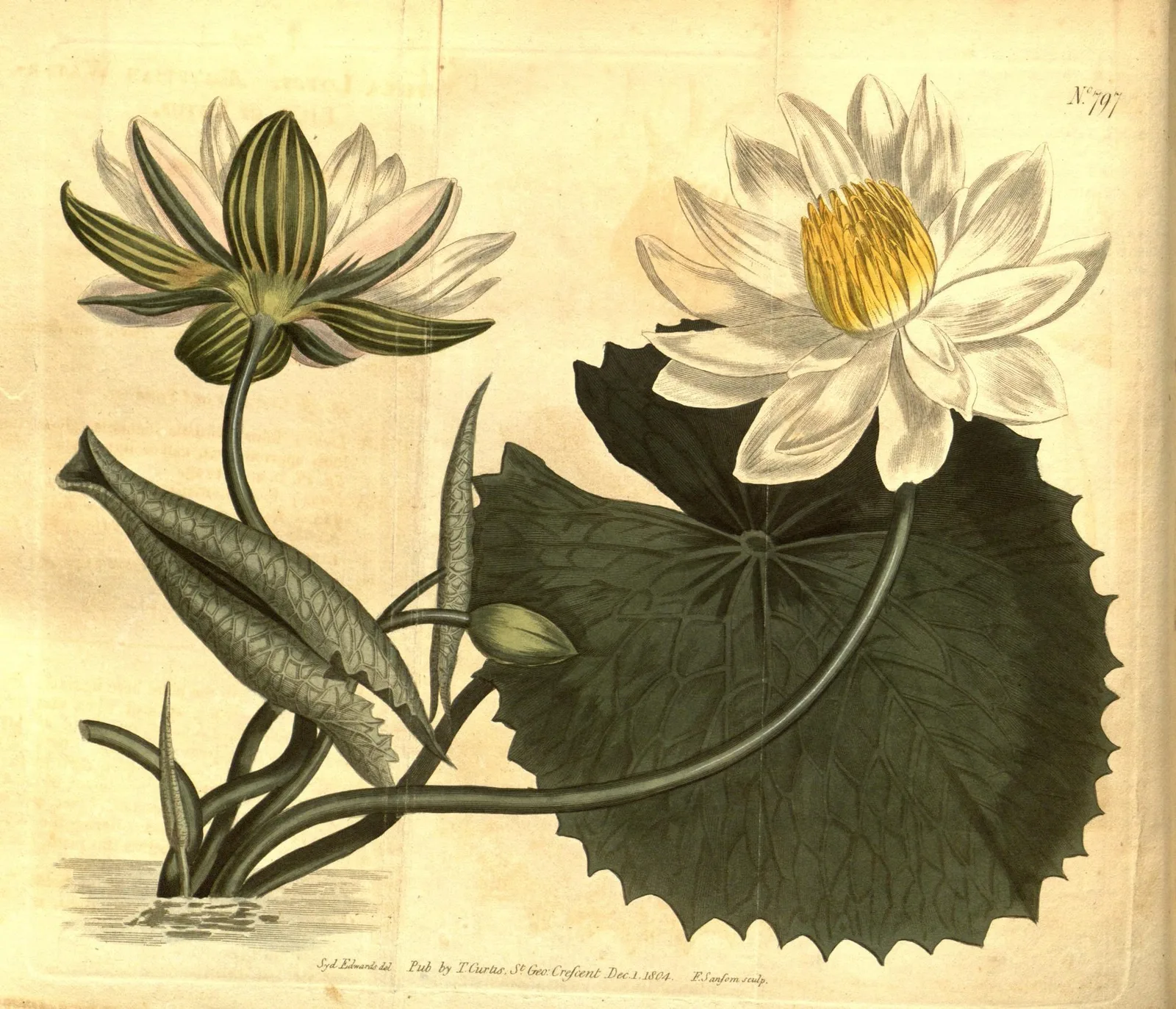
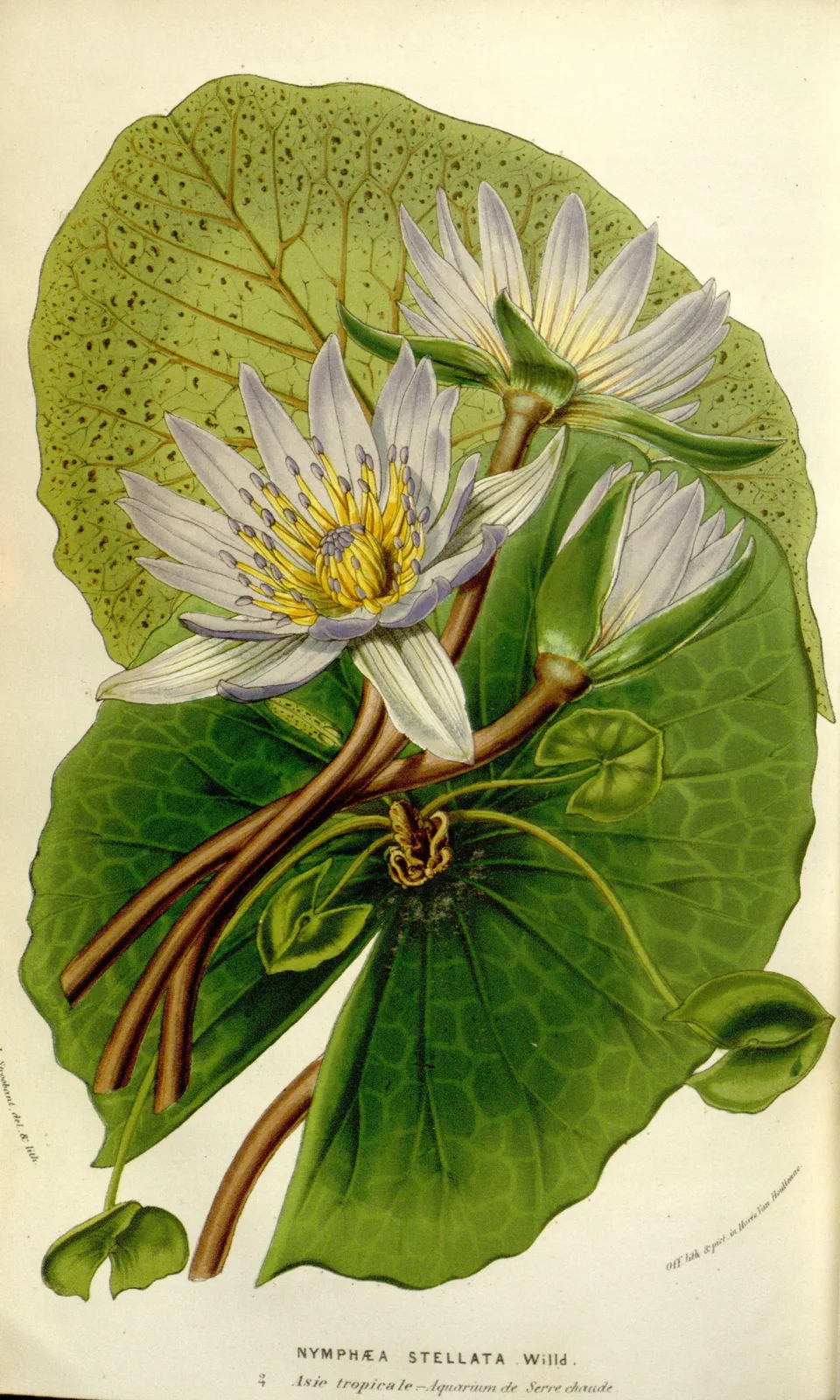

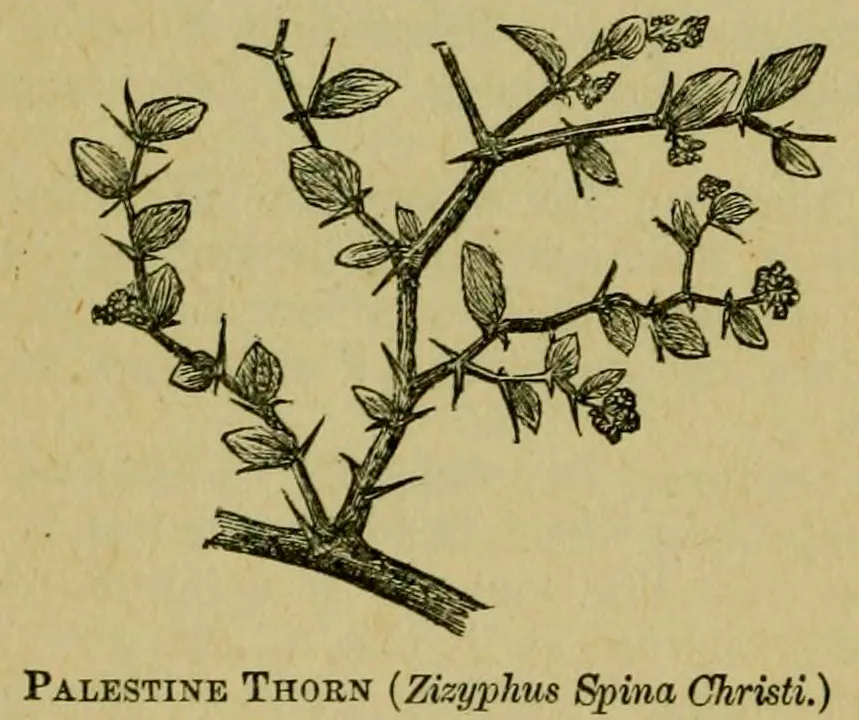
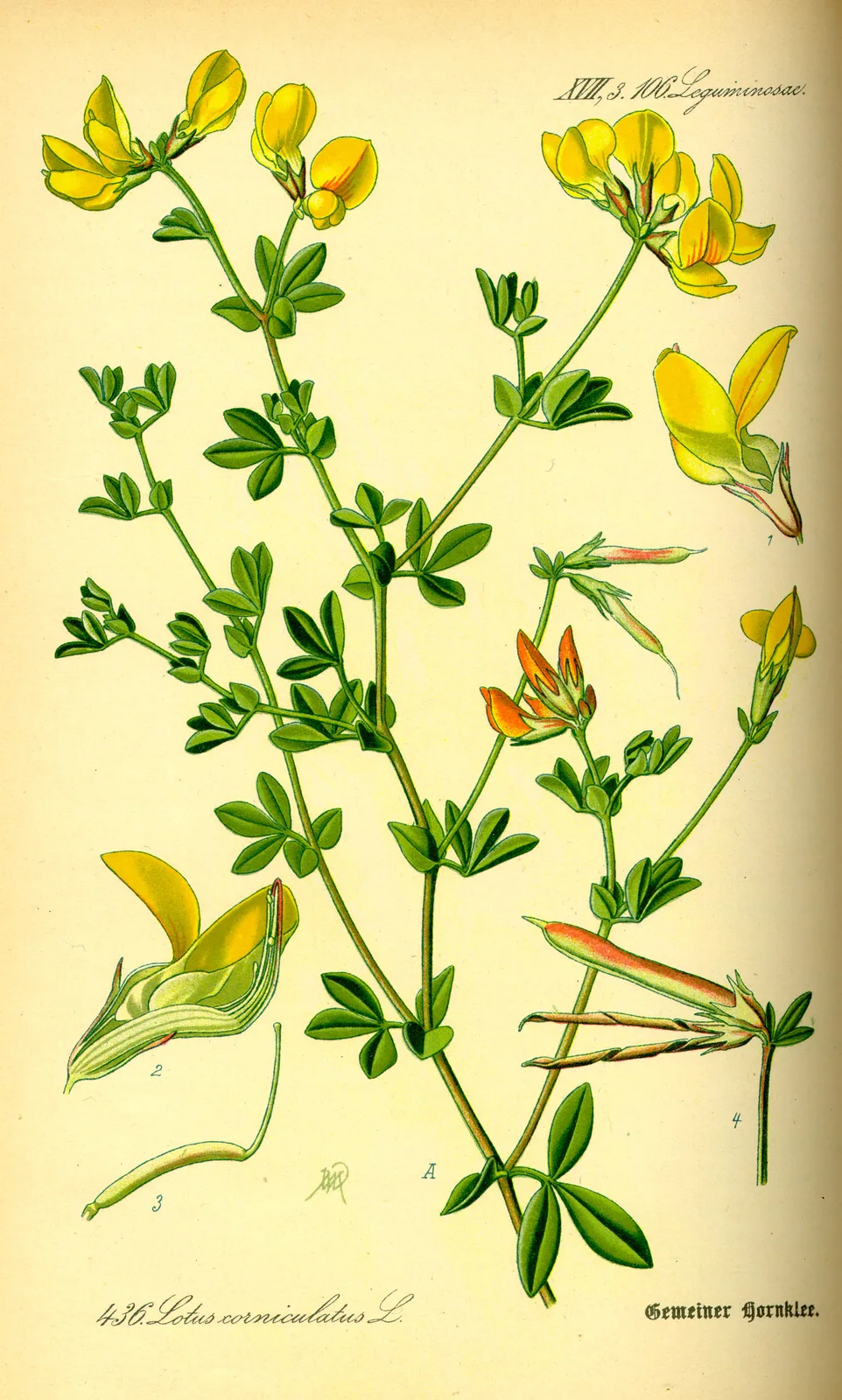
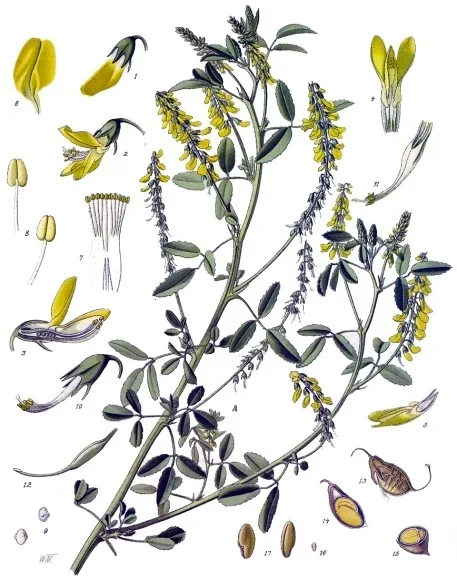
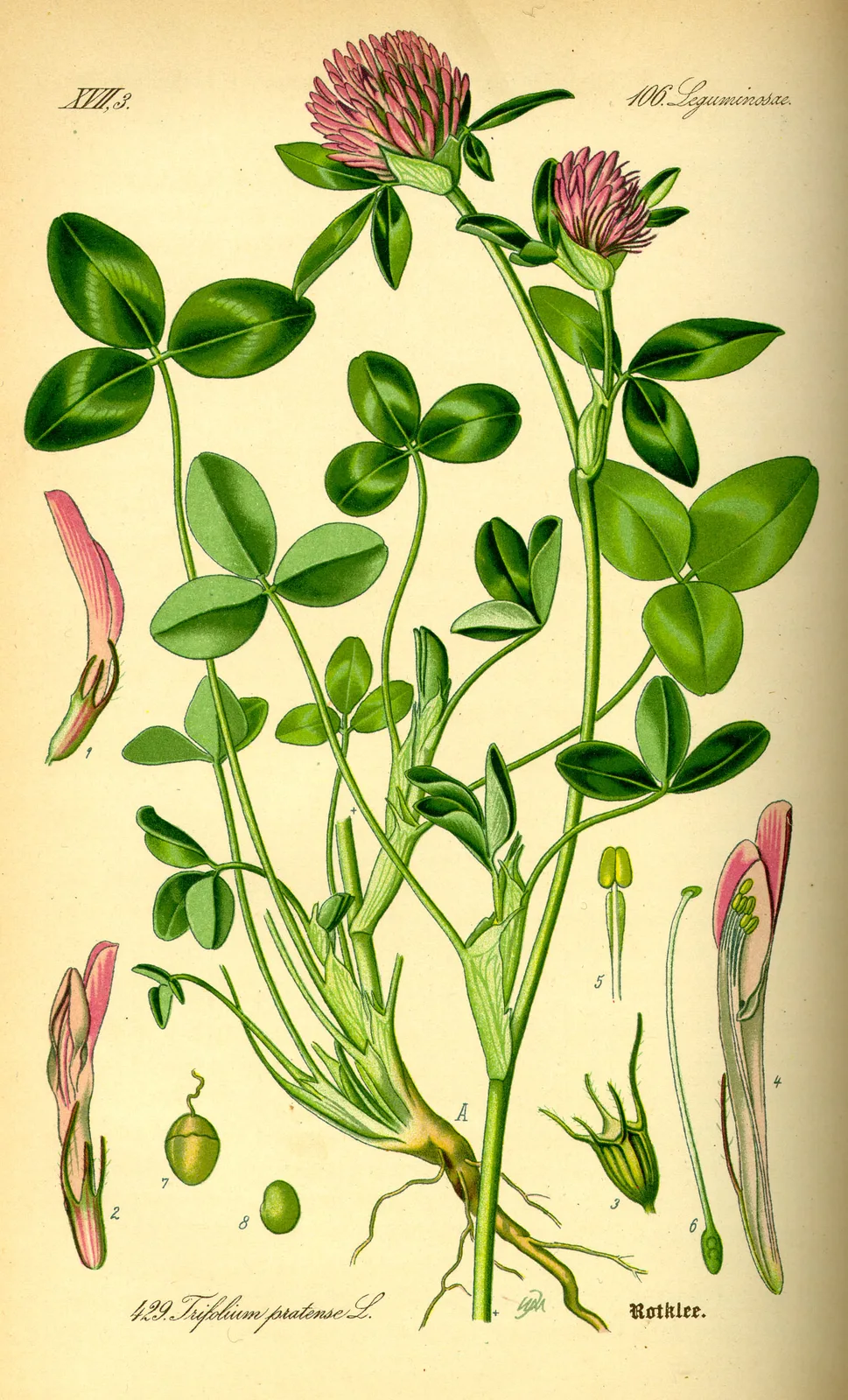
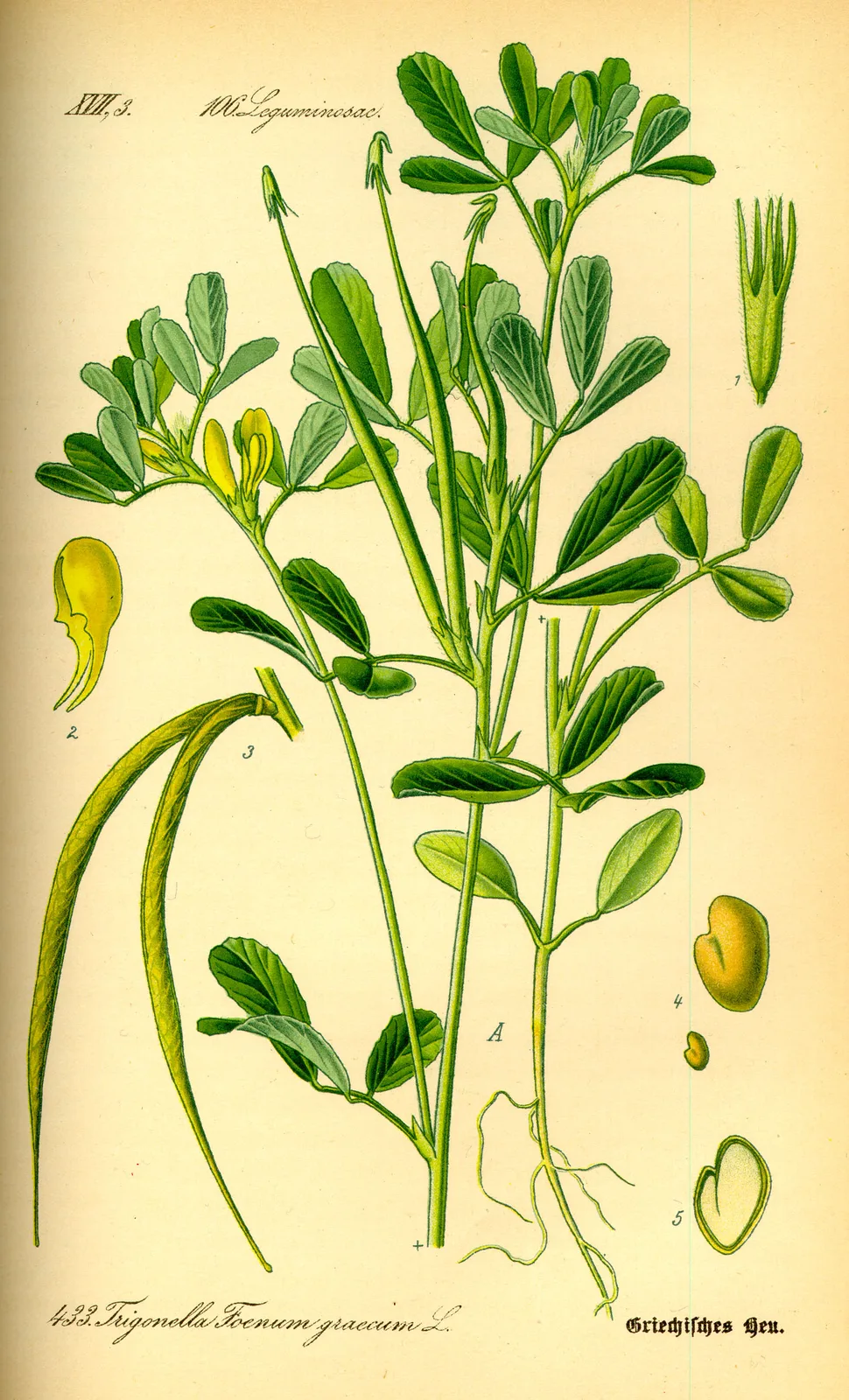
Historical botanical illustrations from the nineteenth century, showing nine species associated with the name ‘lotus’ in different traditions. Full sources, dates and reproduction credits are provided below.
Illustration Credits and Sources
- Ziziphus lotus: Richard Duppa, Illustrations of the Lotus of Antiquity, 1813, plate originally labelled Rhamnus Lotus, “Libyan Lotus”. U.S. Department of Agriculture, National Agricultural Library / Biodiversity Heritage Library. Original record. The contributing institution regards the work as out of copyright.
- Nymphaea lotus: illustrator not identified in the file record, Curtis’s Botanical Magazine, no. 797, 1805. Missouri Botanical Garden, Peter H. Raven Library / Biodiversity Heritage Library. Original record. Original plate in the public domain; BHL digital image on Wikimedia Commons: CC BY 2.0.
- Nymphaea nouchali: L. Stroobant, Flore des Serres et des Jardins de l’Europe, vol. 8, 1852–1853, published as Nymphaea stellata. Biodiversity Heritage Library / Wikimedia Commons. Original record. Public domain.
- Nelumbo nucifera: Francisco Manuel Blanco, Flora de Filipinas, Atlas I, c. 1880–1883. Real Jardín Botánico–CSIC / Wikimedia Commons. Original record. Public domain. The historical scan is used rather than a retouched version.
- Ziziphus spina-christi: artist unknown; published in Edwin W. Rice, A Pictorial Commentary on the Gospel According to Mark, 1881. Wikimedia Commons; the file record identifies a Library of Congress source. Original record. Public domain.
- Lotus corniculatus: Otto Wilhelm Thomé, Flora von Deutschland, Österreich und der Schweiz, plate 436, 1885. BioLib.de / Wikimedia Commons. Original record. Mechanical scan of a public-domain work.
- Melilotus officinalis: Franz Eugen Köhler, Köhler’s Medizinal-Pflanzen, 1897. Wikimedia Commons, from the digitised collection indicated in the file record. Original record. Public domain.
- Trifolium pratense: Otto Wilhelm Thomé, Flora von Deutschland, Österreich und der Schweiz, 1885. BioLib.de / Wikimedia Commons. Original record. Mechanical scan of a public-domain work; the historical original is used rather than a retouched variant.
- Trigonella foenum-graecum: Otto Wilhelm Thomé, Flora von Deutschland, Österreich und der Schweiz, 1885. BioLib.de / Wikimedia Commons. Original record. Mechanical scan of a public-domain work.
Was the Lotus a Narcotic?
Sección titulada «Was the Lotus a Narcotic?»We do not know. Homer does not describe the lotus as a phármakon, nor does he mention hallucinations, drowsiness, addiction or drunkenness. He describes a sweet food and one precise narrative consequence: the men forget about returning home and lose the desire to do so.
Modern studies of Ziziphus lotus examine, among other things, concentrated extracts and results from laboratory experiments or animal studies. These provide information about the plant’s chemical composition and pharmacological properties, but they do not demonstrate that eating its fruit causes amnesia or reproduces the effect described by Homer.
Herodotus and Theophrastus mention wine made from lotus fruit. Odysseus’ companions, however, eat the lotus, and the poem does not attribute their behaviour to alcohol.
Meninx and Djerba: An Ancient Identification
Sección titulada «Meninx and Djerba: An Ancient Identification»Meninx, generally identified with the modern island of Djerba, became one of the places most closely associated with the episode in antiquity. Strabo says that it was considered the land of Homer’s Lotus-Eaters, and mentions the abundance of lotus, its sweet fruits and an altar of Odysseus (Geography 17.3.17).
The distinction between geographical tradition and Homer’s account of the voyage is important. After rounding Cape Malea, the ships are driven by winds for nine days and reach the land of the Lotus-Eaters on the tenth. But the poem gives no constant bearing, speed or verifiable destination. The episode has an exact place in the narrative sequence and a highly uncertain place on a modern map. Our article ‘How Far Did Homer’s World Extend?’ explores that limitation further.
The Lotus-Eaters occupy only a few lines of Odysseus’ story. Yet they introduce a threat that will shadow the entire journey: the possibility that homecoming might cease to matter. The hero can force his companions back aboard, but the episode raises a question more profound than the identity of a fruit or an island: what becomes of a journey when those undertaking it no longer wish to reach home?