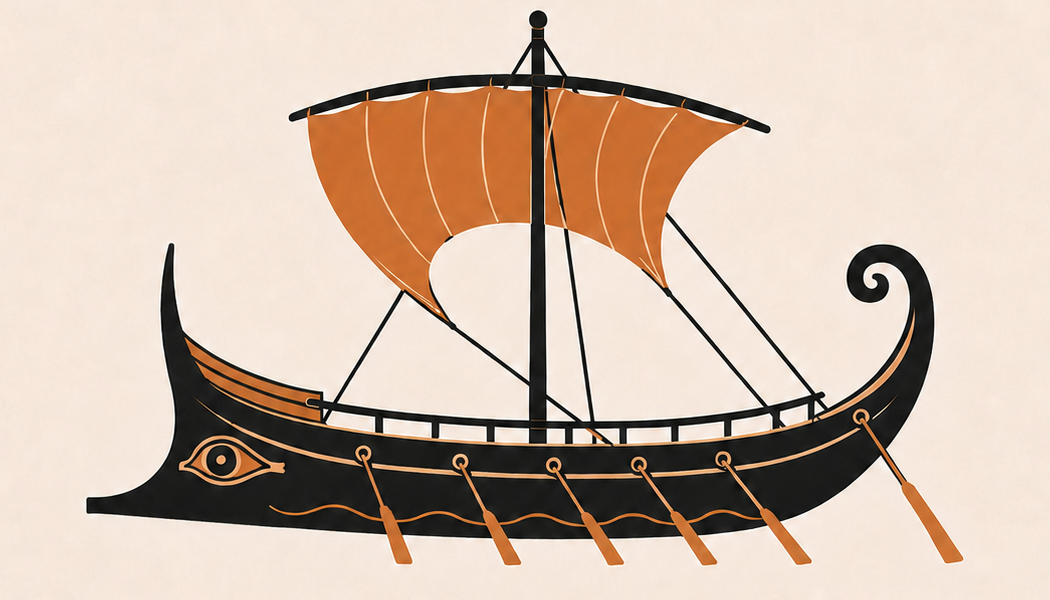
Beauty as a Path to Ruin
There is in the contemplation of beauty the promise of an ineffable happiness that can, without our noticing, become a path to ruin.
Beauty, however, does not act by itself: it does not decide a war, sign a pact or prepare an ambush. It can become dangerous when it enters a web of interests, desires, possession, power and revenge.
This page does not ask which beautiful women of the Homeric world ruined men’s lives, but what happens when an appearance, a voice or a body awakens a desire that becomes part of a plot. Not all beauty destroys, and not every desired person occupies the same position. Nor should we restrict ourselves to female beauty: a man’s beauty can equally become the beginning of disaster for a woman.
The page therefore complements those on women and sex in the Odyssey, while bringing the poem of return into contact with later traditions of the Trojan War.
Beauty does not act alone
Sección titulada «Beauty does not act alone»In the Homeric world, beauty can make someone visible, attract a gaze, awaken desire and eventually create conflict. But several steps lie between the gaze and the disaster that may follow, and at every stage someone acts: Paris chooses what Aphrodite promises, the Achaeans invade Troy and the victors distribute captive women. To say that “Helen’s beauty caused Troy” erases that chain.
In the Odyssey, danger may lie in the voice of the Sirens, Calypso’s promise of immortality, Circe’s song and phármaka, or Athena’s enhancement of Penelope’s beauty. The poem also shows how different the consequences can be depending on the circumstances.
Helen: beauty and the dispute over blame
Sección titulada «Helen: beauty and the dispute over blame»Helen is the unavoidable case, but not the simplest. In the Iliad, the elders of Troy look at her and compare her with the goddesses: her beauty allows them to understand how Achaeans and Trojans could have suffered so much for such a woman (Iliad 3.156–160). But that beauty does not make Helen responsible for the war. Priam, in fact, removes the blame from her and attributes it to the gods (Iliad 3.164–165).
Helen is not responsible for her beauty. But the effect of that beauty also depends on who looks at her, what that person desires and what he or she decides to do.
The Iliad shows Helen weaving the battles between Trojans and Achaeans (3.121–128), as though she were contemplating a war larger than herself while remaining at its centre. Paris and Aphrodite intervene in a desire that leaders and armies will turn into conflict. Nor should reciprocity be erased: Paris is presented as a beautiful man, and Helen is not indifferent to him, even though in Book 3 she resists returning to him and Aphrodite has to compel her. But attraction between a man and a woman does not replace the chain of decisions that turns desire into war.
Later tradition repeatedly returned to the difficulty of assigning blame. In Euripides’ Trojan Women, Helen shifts responsibility towards Hecuba, Priam, Paris, Aphrodite and the judgement of beauty (approximately 914–965). In Helen, Euripides has the heroine say that the beauty of her body destroyed Troy and the Achaeans (375–385), yet he adopts the eídōlon variant: the real Helen was never in the city. Virgil offers another, more hostile scenario in Deiphobus’ account (Aeneid 6.494–529): already dead, Deiphobus tells Aeneas that Helen deceived him on the night Troy fell, removed the weapons from the house and admitted Menelaus and Odysseus, thereby helping to bring about his death.
The point is not to choose a single verdict, but to observe how each work distributes responsibility among Helen, Paris, the gods, the families and the cities involved in the war, and what part beauty plays in that distribution.
Helen thus offers an example of how a story moves from Homer into later traditions. Beauty appears, enters tragic plots and continues to generate stories; and each work changes who is given the power to decide.
Beauty disarms: a few words about Menelaus
Sección titulada «Beauty disarms: a few words about Menelaus»After the Achaean warriors emerged from the wooden horse and opened the gates, Troy was taken, burned and reduced to ruins. Many of its inhabitants died; others were made captives. Resistance continued in the streets, houses and temples, but surprise and the army’s nocturnal entry had already decided the outcome.
Homer does not narrate the reunion of Menelaus and Helen. In Demodocus’ account of the fall of Troy, however, the Odyssey preserves a related scene: Odysseus enters the house of Deiphobus with Menelaus, and together they fight one of the hardest battles of the sack (Odyssey 8.517–520). Deiphobus, whom later traditions present as Helen’s husband after the death of Paris, confronts the attackers.
Those traditions disagree about his end and about Helen’s role. Virgil has Deiphobus himself, now dead in Hades, say that Helen betrayed him that night: she removed the weapons from the house and admitted Menelaus and Odysseus, thus helping to bring about his death (Aeneid 6.494–529). This is Deiphobus’ version, not a neutral voice; but it shows how strongly ancient authors continued to debate Helen’s responsibility even after the fall of the city.
Here one of the most persistent images in the tradition appears. In Euripides’ Andromache, Peleus reproaches Menelaus for failing to kill Helen after taking Troy: when he saw her bare breast, he was struck again by her beauty, dropped his sword and took her back (Andromache 627–631). Aristophanes evokes the same motif in a few words: Menelaus saw Helen’s naked breast and threw away the sword (Lysistrata 155–156). An ancient scholion on that passage connects the episode with Lesches and the lost Little Iliad. The poem does not survive, and the attribution transmitted by the scholion does not allow us to reconstruct the scene with certainty; but the motif was already recognisable enough to pass from tragedy into comedy.
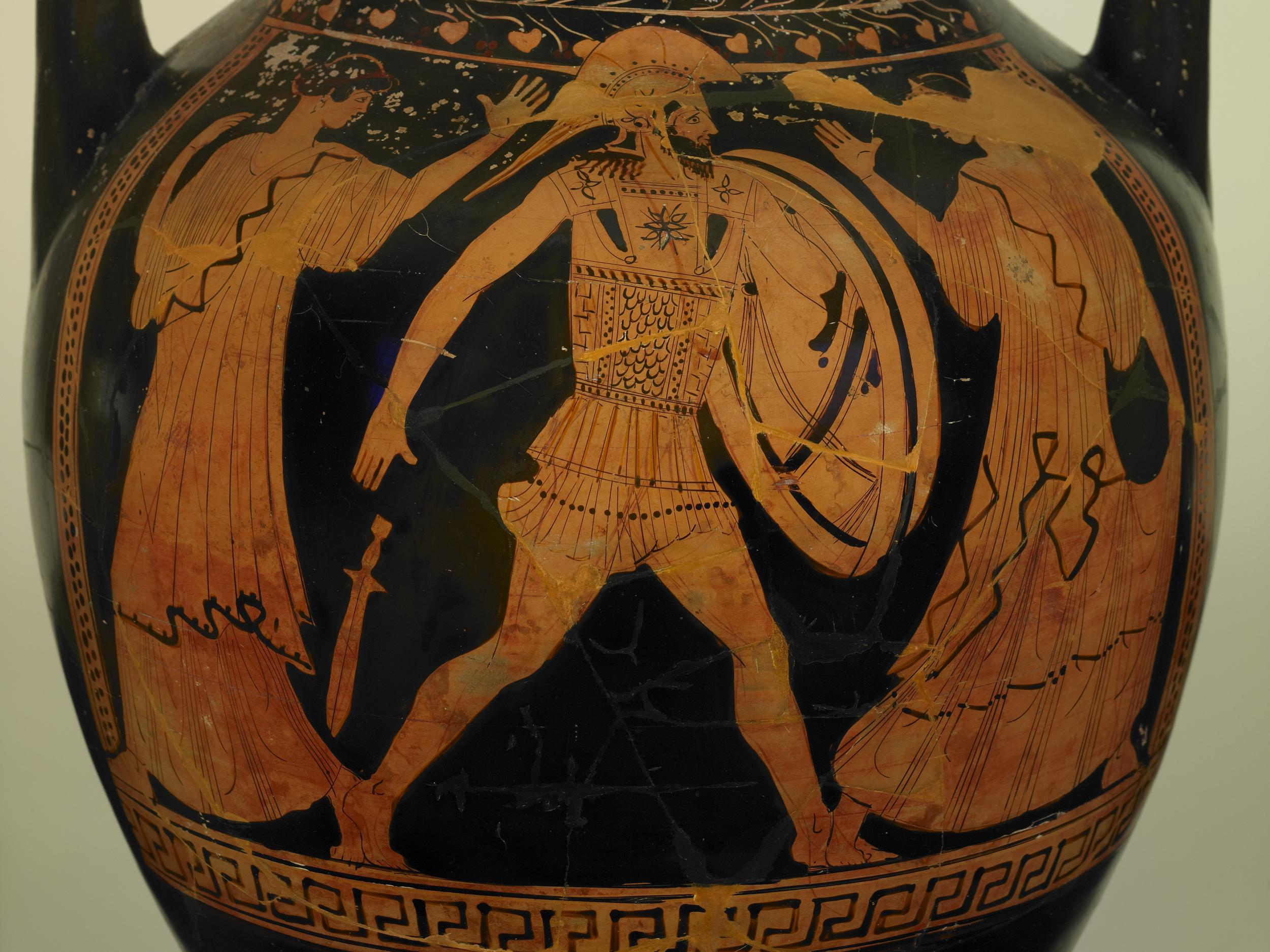
The scene imagines that Menelaus’ anger is not enough to extinguish desire, memory and the bond he retains with Helen. His gaze is filled with her beauty, certainly, but also with a shared life, old desire, humiliation, jealousy, resentment and ten years of war. Helen is not simply another beautiful woman to him: she is the wife he lost, the woman he went all the way to Troy to recover, and the presence around which everything that has happened has accumulated. The sword loses its meaning and falls to the ground.
In a sense, both are trapped in a story organised around beauty. Helen because others looked at her, desired her and made her an object of dispute; Menelaus because that same beauty still had power over him after ten years of war. But neither was trapped by beauty alone. Paris, Aphrodite, the Achaean kings, the Trojans and the two of them all acted around it.
Menelaus recovered Helen, but he did not recover the world that existed before Troy. When Telemachus reaches Sparta, the Odyssey shows us a rich, hospitable and talkative king, capable of remembering and telling stories. Yet beneath that prosperity we glimpse a melancholy man. Menelaus recalls the dead companions and Odysseus with a sadness that still reaches him. Helen, beside him, also remembers Troy; but she does more than mourn the losses of war. When she condemns the “madness” Aphrodite sent her (Odyssey 4.261–264), she seems to reveal a more intimate unease: the difficulty of living with her own past.
They recovered one another, but they did not recover the life they had before the war. The sword fell to the ground; what had happened during those ten years did not.
Male beauty can also be dangerous: Aeneas and Dido
Sección titulada «Male beauty can also be dangerous: Aeneas and Dido»Roman tradition offers a particularly clear reversal. After the fall of Troy, Aeneas wanders through the Mediterranean until a storm throws him onto the coast of Carthage. Dido rules there; she receives the Trojans and hears from Aeneas himself the story of Troy’s destruction and of his travels. When the hero appears before her, Venus has enhanced his appearance - his hair, the glow of youth and an almost divine beauty (Aeneid 1.588–593). Dido sees before her not merely a handsome castaway, but a Trojan prince who has lost his homeland and carries an extraordinary story.
Virgil, however, does not present her falling in love as a simple effect of beauty. Venus fears for her son’s safety - Aeneas is the son of Venus and Anchises - and makes Cupid kindle an irresistible passion in Dido (1.657–722). Later, during a hunt, a storm brings Dido and Aeneas together in a cave. Juno arranges the union as a nuptial scene that Dido will understand as marriage, although Aeneas does not appear to give it the same meaning (4.90–172).
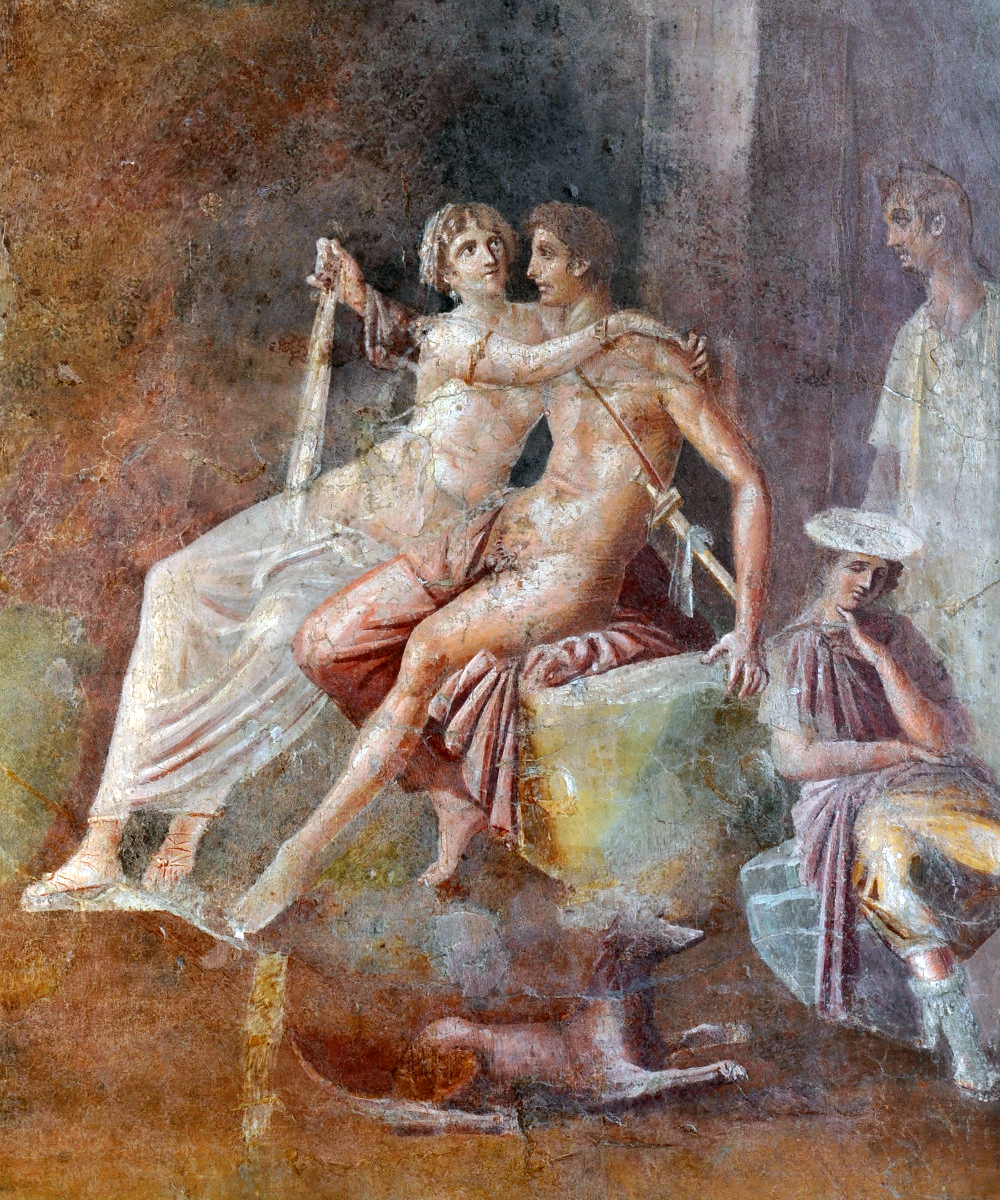
For a time, Dido binds her future to that of the Trojan. But Aeneas has another destiny. Jupiter reminds him that he must leave Carthage and establish in Italy the line from which Rome will be born; Mercury brings him the order (4.219–278). Aeneas decides to obey and prepares to depart. For him, this is the continuation of a mission; for Dido, it is the destruction of the future she believed she had built. When the Trojan ships sail away, Dido kills herself with the sword Aeneas had left behind (4.642–705).
Aeneas’ beauty therefore plays a part in the attraction, but it does not by itself explain the tragedy. Venus, Cupid, Juno and Jupiter act around it; Aeneas’ political mission, Dido’s expectations and the decisions of both also matter. Male beauty can open the same dangerous path as female beauty, but ruin again grows out of what others do with, and build upon, the desire that beauty awakens.
Aphrodite’s wound: Achilles and Penthesilea
Sección titulada «Aphrodite’s wound: Achilles and Penthesilea»Achilles fought Penthesilea, queen of the Amazons and daughter of Ares, who had come to Troy’s aid. The Aethiopis, a lost poem of the Epic Cycle known through Proclus’ summary, said that she fought bravely until Achilles killed her. Afterwards, Thersites mocked the hero for the love or passion he claimed Achilles had felt for her, and Achilles killed him. That is the earliest core we can recover; Proclus does not describe Penthesilea physically or develop a scene of contemplation.
Quintus of Smyrna developed the episode much later in the Posthomerica. Achilles first wounds Penthesilea above the right breast (Posthomerica 1.807–830). While Penthesilea, still alive, wonders whether to resist, supplicate or offer ransom, Achilles attacks again: his spear passes through the horse and also strikes the Amazon, who falls mortally wounded beside her mount (1.831–857).
After her death, Achilles removes Penthesilea’s helmet. Quintus then reveals her face, still extraordinarily beautiful. Aphrodite intensifies that beauty even in death so that Achilles may be wounded by amorous regret (1.891–922). The Achaeans gaze at her as though she were an immortal, and Achilles understands too late what he has just destroyed.
Achilles continues to look at her, overcome by grief and by a love that Quintus compares in intensity with the pain he had felt for Patroclus (1.975–983). Thersites turns that gaze into mockery and reproaches him because desire for a woman’s beauty can make even a wise man foolish; Achilles answers by killing him with a single blow (1.984–1026).
It is in this later elaboration that the contemplation of beauty carries with it a strange pain: in the face of the woman he has just killed, Achilles discovers the impossibility of loving her now.
Polyxena: beauty between desire and vengeance
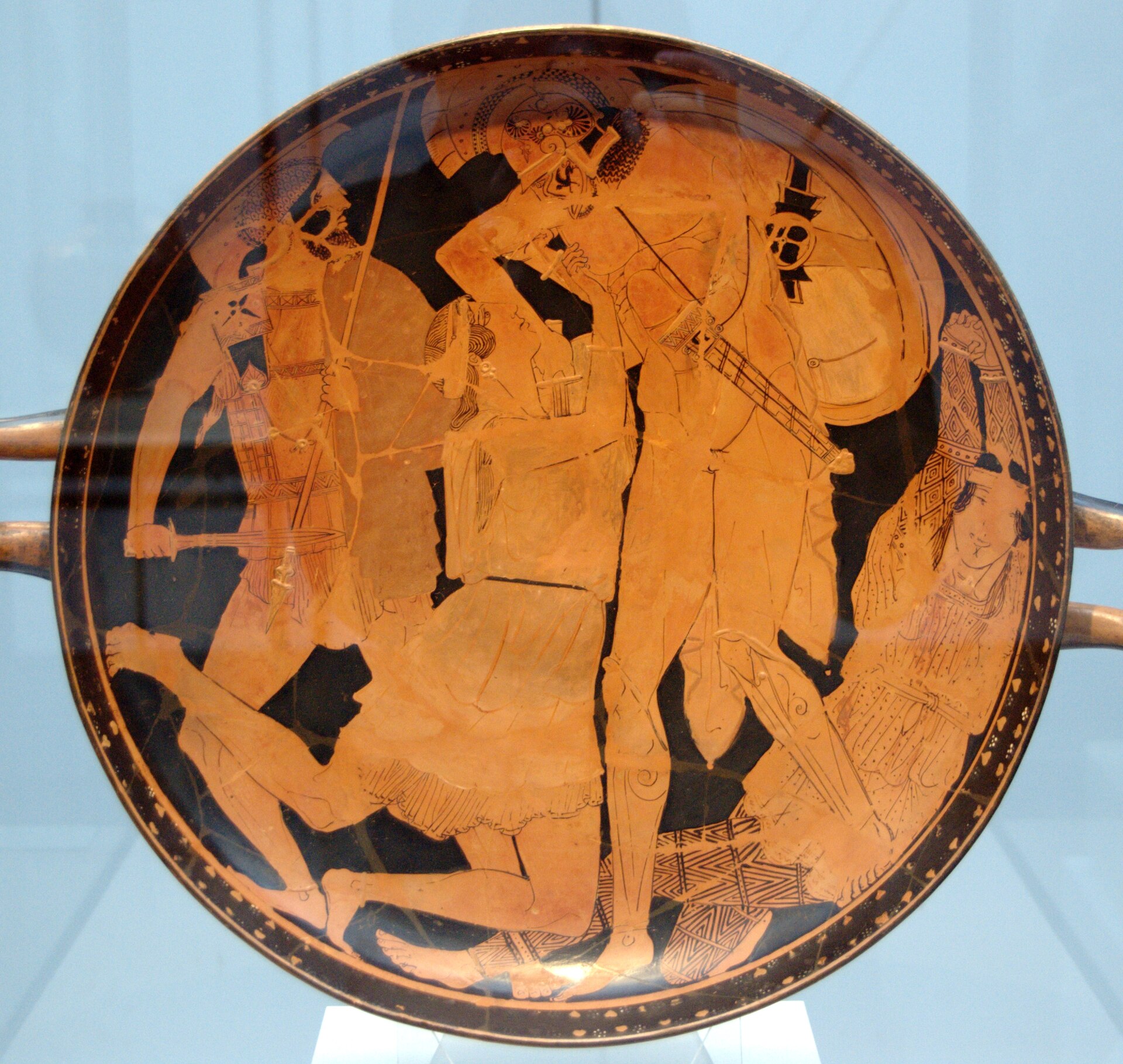
Sección titulada «Polyxena: beauty between desire and vengeance»Polyxena belongs to several stories that tradition gradually laid over one another: the victim of a funerary sacrifice in the Epic Cycle, the young captive whom Euripides turns into a symbol of dignity before death and, much later, the girl whose beauty awakens Achilles’ desire and is then used by others as an instrument of negotiation and deception. Merging these versions can produce an attractive story, but it also creates misunderstandings. The page devoted to Polyxena develops the different traditions in greater detail.
The sacrifice in the Sack of Ilium
Sección titulada «The sacrifice in the Sack of Ilium»Proclus’ summary of the lost Sack of Ilium preserves the earliest core we can state with confidence: the Achaeans sacrifice Polyxena over Achilles’ tomb. It does not develop the scene or describe a love affair between Achilles and Polyxena. Nor does it say that Polyxena had anything to do with Achilles’ death or that her beauty explains the sacrifice. The appearance of Achilles’ ghost is mentioned instead in the summary of the Returns and should not automatically be transferred to the Sack of Ilium.
That information matters precisely because of its restraint. The war has ended, but the violence has not: Polyxena appears as the victim of a sacrifice performed beside the tomb of the greatest Achaean warrior. The summary does not allow us to know what religious, funerary or narrative requirement justified the act.
The Polyxena of Euripides and Ovid
Sección titulada «The Polyxena of Euripides and Ovid»Euripides turns the episode into one of the moral centres of Hecuba. Troy has fallen and Polyxena is now a captive who knows she cannot decide whether she lives or dies. The only thing she can still try to preserve is the manner in which she faces her death.
When the moment of sacrifice comes, she asks not to be held. Talthybius says that she tears her dress from the shoulder, exposes her breast and torso - “beautiful as those of a statue” - and offers Neoptolemus the place where he should strike her (Hecuba 558–572). Even as she falls, she tries to preserve her modesty. The beauty of her body forms part of the scene’s visual harshness.
There is also an uncomfortable tension between exposure and control. Polyxena voluntarily bares part of her body to indicate where she wishes to receive the blow, yet as she falls she tries to cover herself. Her body is subject to the victors’ gaze even at the moment when she attempts to preserve the last margin of control she still has over it. Some modern studies have even noted a possible erotic charge in that exposure. Beauty intervenes in this scene of death by making it still more disturbing.
Euripides, however, does not make beauty the cause of the sacrifice. The final admiration is directed also towards her courage, composure and nobility. Polyxena cannot prevent the victors from deciding what happens to her life; she tries, at least, to decide how she will die. The tragedy poses a terrible question: what freedom remains to a person when others have already decided even her death?
Centuries later, Ovid takes up the same tradition in the Metamorphoses (13.439–480), but intensifies the elegiac tone. Polyxena prefers death to life as a slave, offers her neck or breast to the sword and asks that her body be returned to Hecuba without payment, so that no one has to ransom it with gold. Even as she falls, she tries to preserve her modesty.
In both authors, youth, beauty and violence are deliberately set against one another. Polyxena does not die because she is beautiful: her beauty makes what the victors are destroying more painful to contemplate.
Dictys and Dares: when beauty enters the war
Sección titulada «Dictys and Dares: when beauty enters the war»Much later, the narratives attributed to Dictys of Crete and Dares the Phrygian constructed an entirely different story. Now Polyxena’s beauty does enter directly into the plot.
In Dictys, Achilles sees Polyxena during religious ceremonies and is captivated by her (Ephemeris belli Troiani 3.2). His desire grows until it torments him. He confides the matter to Automedon, Achilles’ charioteer, and negotiations with the Trojans begin: Achilles wants to marry Polyxena and even offers to help bring the war to an end in exchange for the marriage (3.2–3).
Later, others turn Achilles’ desire into a trap for him. Deiphobus and Paris present themselves as though they are going to confirm the agreement involving Polyxena. Achilles comes to the precinct of Apollo Thymbraeus; there they immobilise him and Paris kills him. Polyxena is not present, and Dictys does not say that she knows of the conspiracy.
Dares tells a similar, though not identical, version. Achilles sees Polyxena and is captivated by her extraordinary beauty. Dares describes her as tall, fair-skinned, with long blond hair, a slender neck, attractive eyes and a well-proportioned body. Achilles wants to marry her, and the prospect of marriage again becomes part of the negotiations between the two sides.
Later, Hecuba and Paris use precisely that expectation to draw Achilles to Apollo’s sanctuary and ambush him. Dares does not attribute any conscious participation in the deception to Polyxena.
In both versions, Polyxena is something others use. Her beauty awakens Achilles’ desire; her name enters the negotiations; the promise of marriage becomes bait. But she neither organises the trap nor benefits from it.
In Dictys and Dares, Polyxena’s beauty therefore enters a chain of desire, negotiation and betrayal. The girl does not betray Achilles: others turn the desire she awakens into an instrument of war.
The Excidium Troiae: Beauty and the Two Acts of Vengeance
Sección titulada «The Excidium Troiae: Beauty and the Two Acts of Vengeance»The anonymous Excidium Troiae, preserved through its medieval transmission, proposes an even crueller variant. Achilles marries Polyxena and, during their amorous encounters, reveals to her the secret of his vulnerability. The girl passes the information to her parents, who prepare the ambush in which Paris kills the hero.
But the story does not end there. After the fall of Troy, Neoptolemus captures Polyxena, places her alive in Achilles’ sarcophagus and seals it with lead.
Beauty has set in motion a chain of desires, deceptions and acts of vengeance. Priam and Hecuba use their daughter to bring about Achilles’ death; Neoptolemus then takes revenge on Polyxena for her part in his father’s death. Polyxena is first an instrument of one vengeance and ends up becoming the victim of another.
The account survives in an anonymous Latin work whose date of composition is uncertain. The oldest manuscript used by Atwood and Whitaker belongs to the late ninth century (Excidium Troiae, pp. 12–13 and 20 of their edition).
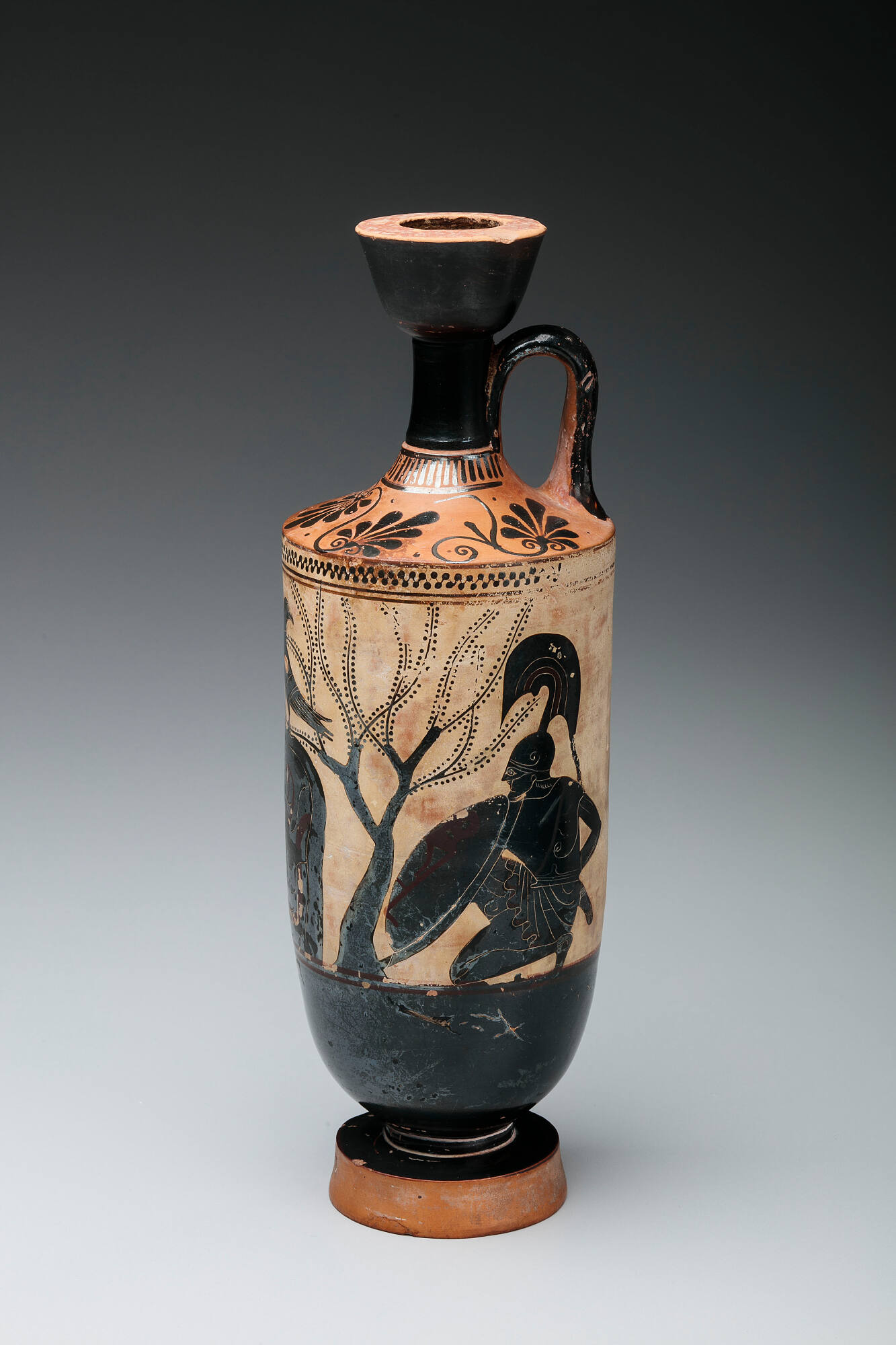
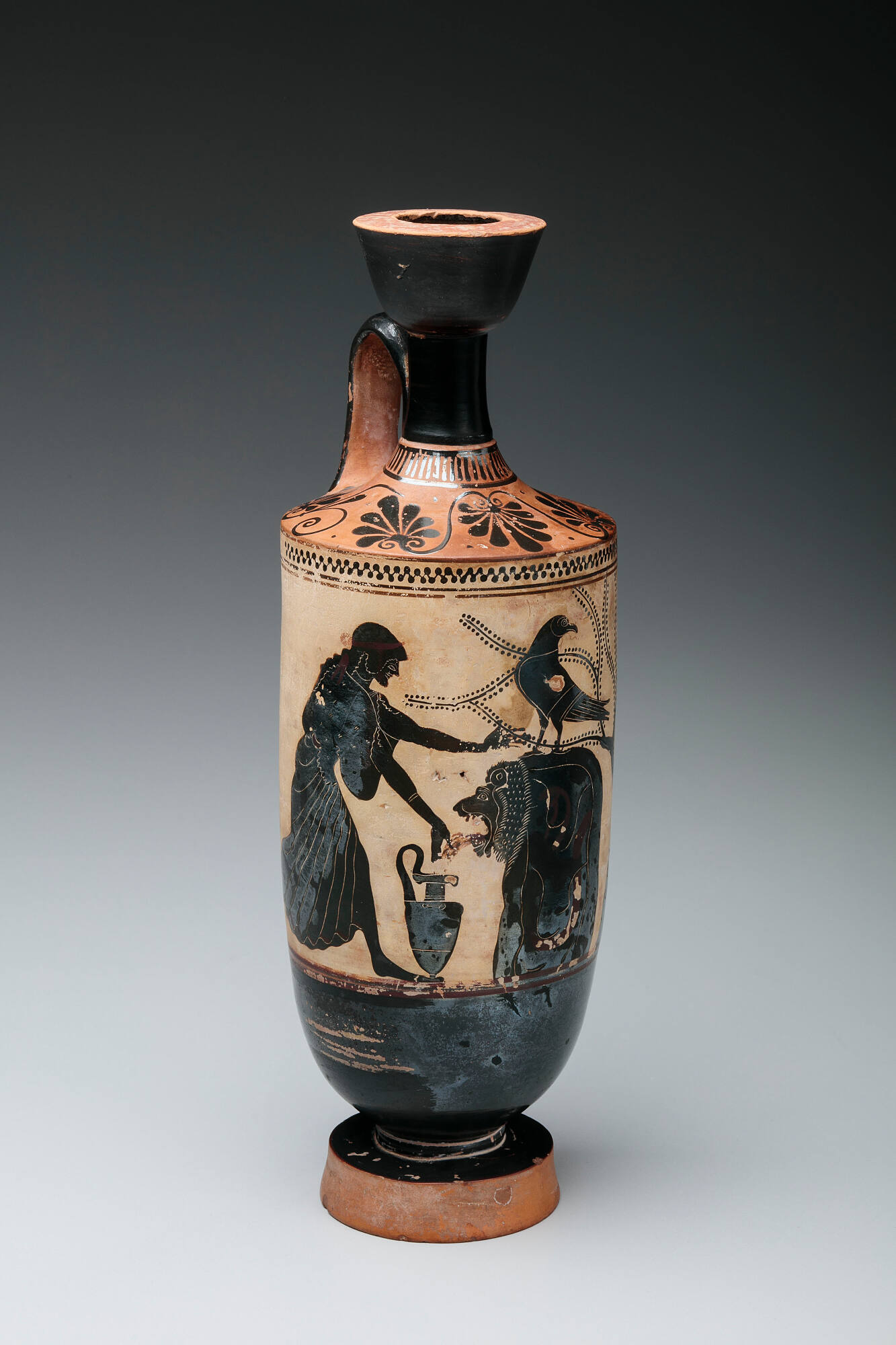
Iphigenia: a false wedding and the possibility of a real bond
Sección titulada «Iphigenia: a false wedding and the possibility of a real bond»In Iphigenia at Aulis, Euripides begins with a lie. The Achaean fleet is held at Aulis: the winds needed to sail for Troy do not blow. The seer Calchas announces that Artemis will allow the expedition to depart only if Agamemnon sacrifices his daughter Iphigenia. To bring her to the camp without revealing the real reason, Agamemnon sends Clytemnestra the message that the girl must come in order to marry Achilles.
Achilles knows nothing of this. When Clytemnestra treats him as her future son-in-law, he is bewildered: he has never asked for Iphigenia’s hand, nor has Agamemnon spoken to him about such a marriage. His name, his prestige and the attraction of a union with the best of the Achaean warriors have been used as bait.
When he discovers the deception, his first reaction comes not from love but from indignation. Agamemnon has compromised his honour and used his name to bring a young woman towards death. Achilles then decides to defend her.
But the situation changes as he comes to know Iphigenia. The girl is no longer, for him, a stranger placed by others inside a false wedding. As he hears her face the fate imposed upon her with courage, Achilles begins to admire her and, in the ending transmitted for Iphigenia at Aulis, declares that he would have wished to make her his wife. The lie that was meant to lead her to sacrifice paradoxically opens the possibility of a genuine bond, though too late for it to be realised.
Here beauty does not occupy the central place it has in Helen, Penthesilea or Polyxena. What awakens Achilles’ interest is above all the person he discovers behind the deception: her dignity, courage and the way she faces death.
Iphigenia therefore marks an important limit for this page. Not every attraction begins with the contemplation of a beautiful body. Sometimes circumstances, knowledge of another person and admiration transform a relationship that did not exist into genuine desire.
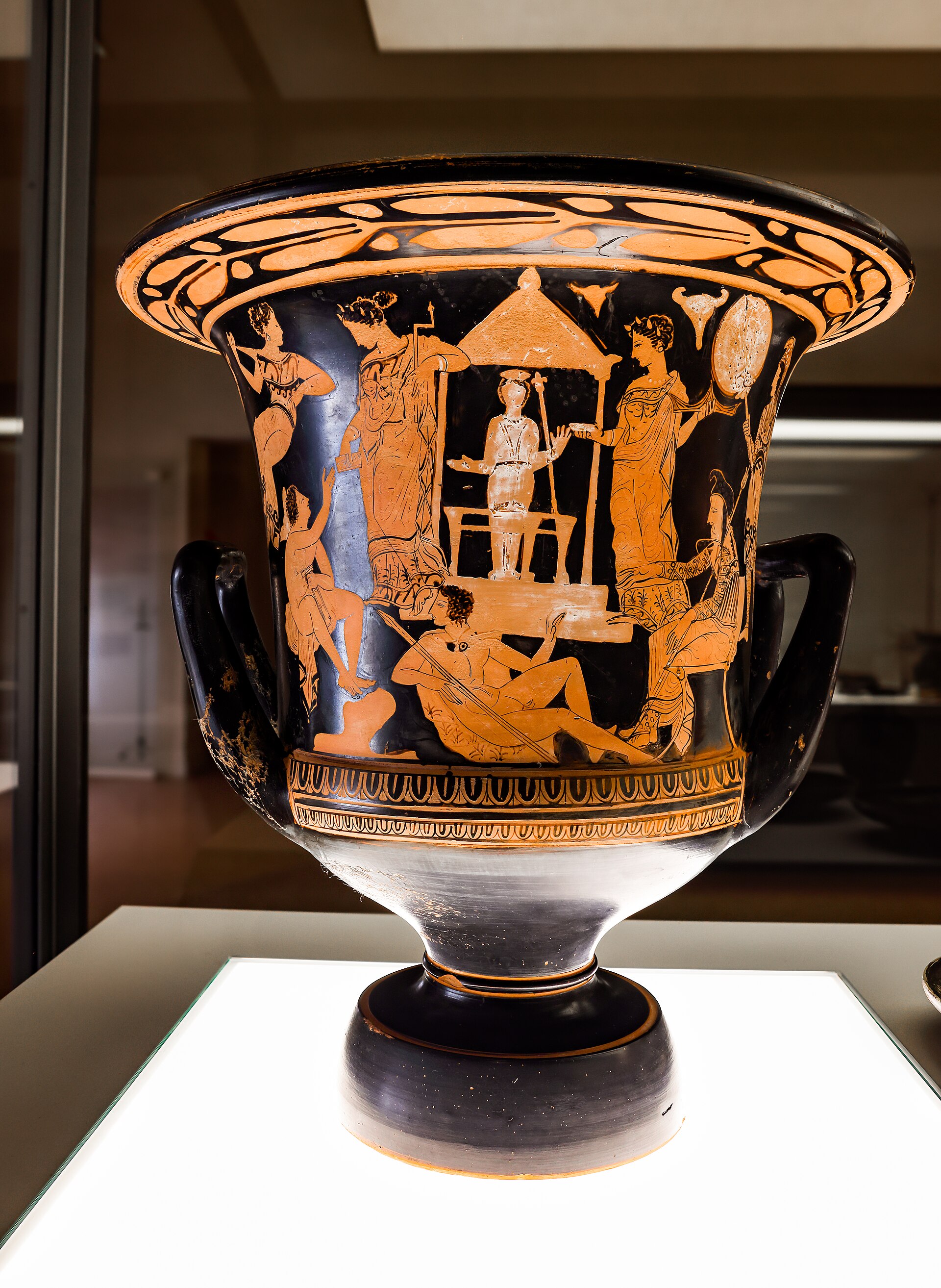
Cassandra as a control case
Sección titulada «Cassandra as a control case»Cassandra is not a woman untouched by beauty. Homer calls her the most beautiful of Priam’s daughters (Iliad 13.363–369) and, when she is the first to see Priam returning with Hector’s body, compares her with golden Aphrodite (Iliad 24.699–706). Homer, however, gives no detailed physical portrait and does not present her as a prophetess.
Much later, the Latin text attributed to Dares the Phrygian imagines her as of medium height, with reddish hair, a rounded mouth and bright eyes; it adds that she knows the future beforehand (De excidio Troiae historia 12). This is a late, non-Homeric portrait, but it shows that tradition continued to imagine Cassandra through concrete and recognisable physical features.
Her relationship with Apollo also became connected with desire. In Aeschylus’ Agamemnon (1202–1212), Cassandra says that Apollo made her a prophetess and desired her. She had promised to unite with him, but then broke that promise; from then on, no one believed her words. This version is not Homeric: Aeschylus places it in Cassandra’s own mouth.
A tradition preserved in a scholion and attributed to Anticlides says that Cassandra and Helenus received prophetic power when sacred snakes licked their ears as they slept in a sanctuary of Apollo. This version cannot be merged with Aeschylus’: it offers another origin for the gift and reaches us indirectly.
After the fall of Troy, the violence continues. In Proclus’ summary of the lost Sack of Ilium, Ajax the Lesser drags Cassandra away from the image of Athena and also knocks down the statue. The summary does not describe a rape; some later traditions do. The outrage against the goddess provokes Athena’s anger and prepares the catastrophe of the Achaean homecomings.
Later, Cassandra is given to Agamemnon as a captive. Pausanias mentions at Mycenae a common tomb for Teledamus and Pelops, the twins whom, according to this tradition, Cassandra bore to Agamemnon; Aegisthus is said to have killed them while still children over the bodies of their parents (Description of Greece 2.16.6–7). This is not Homeric and does not appear in Aeschylus’ Agamemnon, but it shows how far some later traditions imagined for Cassandra and Agamemnon a domestic and genealogical future absent from both texts. In Aeschylus’ tragedy, Cassandra reaches Mycenae knowing that both she and the king will die. Her gift allows her to see what will happen, but not to prevent it, because her words are not believed.
Cassandra was too beautiful to pass unnoticed. Her beauty awakened Apollo’s desire and, according to Dictys of Crete, Priam even promised her to Eurypylus in order to draw him into the defence of Troy; but Neoptolemus killed him before he could claim her. During the sack, later traditions say that Ajax the Lesser dragged her from Athena’s sanctuary and violated her. Agamemnon then took her away as captive and concubine; Pausanias attributes to them two sons, Teledamus and Pelops, also murdered at Mycenae.
It cannot be said, then, that Cassandra’s beauty attracted no attention. Some desired her, others promised her as a reward, and others took her as booty. Yet, just as no one believed her words, in another sense no one truly saw her either. There is a persistent ill fortune in her life - all the more striking in the life of a seer - that eventually pushes her beauty beneath the weight of disaster. Cassandra could see everyone’s fate, but she had no power to step away from her own. Her beauty made people look at her; her tragedy was that no one truly saw her.
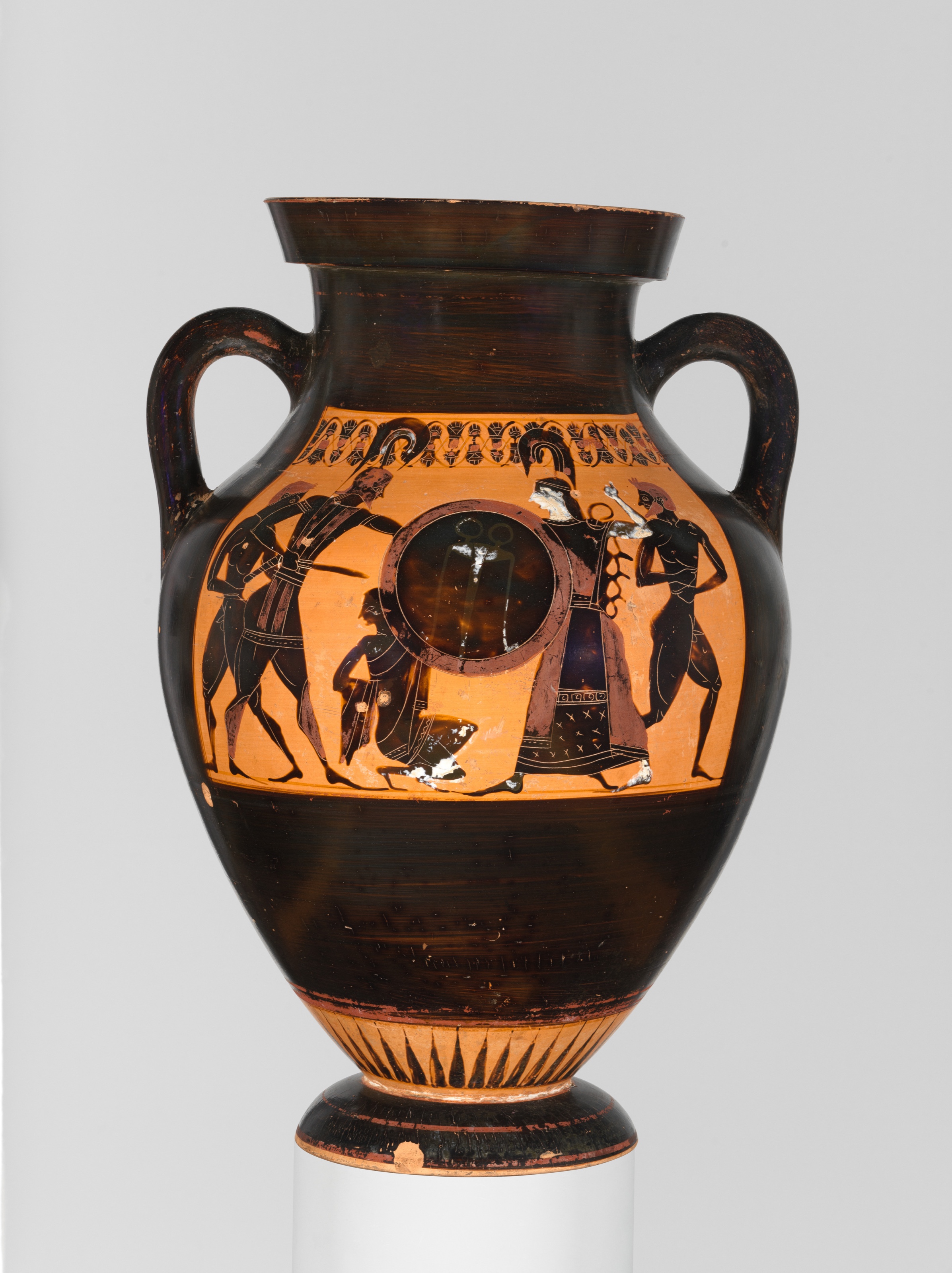
Beauty, desire and return: contrasts in the Odyssey
Sección titulada «Beauty, desire and return: contrasts in the Odyssey»The Odyssey does not abandon the danger of beauty, but shifts it elsewhere: it may reside in a voice, a promise of immortality, a song, a radiant young woman or the transformed appearance of a hero. None of these elements has only one meaning.
The Sirens: the beauty of a voice that threatens the nostos
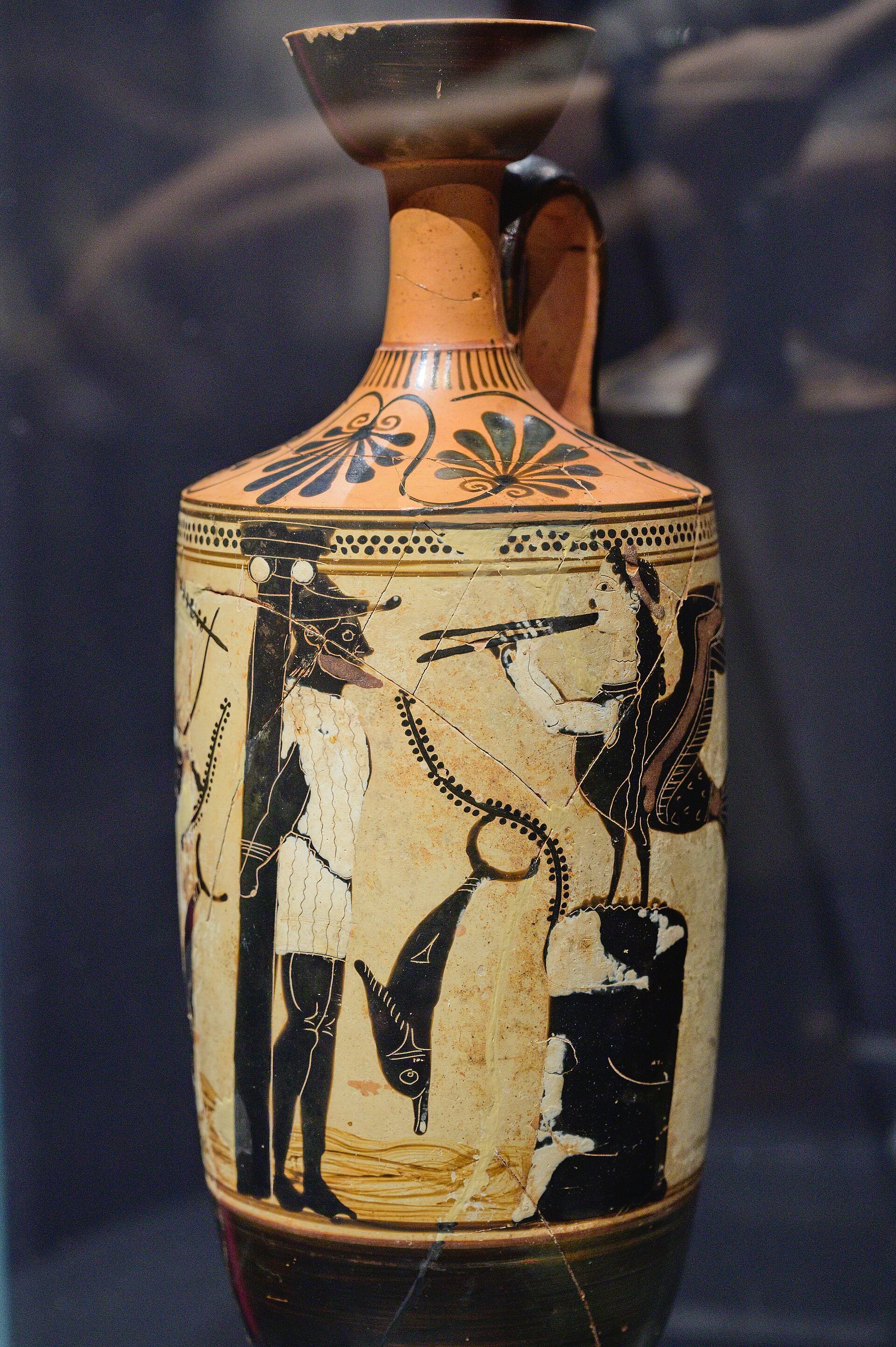
Sección titulada «The Sirens: the beauty of a voice that threatens the nostos»The Sirens are the clearest case of dangerous attraction. Homer does not describe their bodies: he builds their power through song. Circe warns Odysseus (Odyssey 12.39–54), and they promise knowledge, glory and the complete story of Troy (12.158–200). The danger is to forget one’s own people and never return. Odysseus wants to hear them, but orders his men to bind him and not obey his pleas: the attraction exists; the outcome depends on precautions, bonds and decisions.
Calypso: beauty, immortality and unhappiness
Sección titulada «Calypso: beauty, immortality and unhappiness»When Hermes reaches Ogygia, he finds Calypso singing as she weaves at her loom (Odyssey 5.55–74). She is a beautiful and powerful goddess, mistress of a luxuriant island cut off from the world. There she has kept Odysseus for years and offers him something no mortal can offer: to remain with her, never grow old and attain immortality.
The offer seems irresistible. Odysseus even acknowledges that Penelope cannot compare with Calypso in beauty or youth: his wife is mortal and will one day grow old and die. And yet he chooses Penelope and the return. He would rather go back to rocky Ithaca and share a mortal life with her than remain forever beside a goddess (Odyssey 5.203–224).
That makes Calypso a rather sad figure. Her divine condition does not free her from desire or loneliness. She lives isolated in the middle of the sea and wants Odysseus to remain with her, but she cannot offer him what he really wants: a life of his own, in the place where he belongs. At night the poem places them together in bed, “he unwilling, she willing”; by day Odysseus sits beside the sea, weeps and gazes towards the horizon thinking of his return. Physical intimacy continues, but it does not create a shared life.
Calypso’s offer represents a radical diversion from the nostos: beauty without age, pleasure without decay, an existence outside human time. But that alternative depends on Odysseus renouncing his home, his family and his identity. The danger arises from confinement and from the inequality between a goddess and a shipwrecked man; beauty makes the captivity more tempting, but it remains captivity.
Circe: the song does not cast the spell
Sección titulada «Circe: the song does not cast the spell»Odysseus’ companions reach Circe’s house and hear her singing with a beautiful voice as she weaves a fabric worthy of the gods (Odyssey 10.210–243). Everything in the scene invites them inside: the voice, the weaving, the house, the welcome. But Homer is precise. Circe’s beauty does not transform the men. The spell lies in the phármaka she mixes into the drink and in the wand with which she touches them afterwards. Seduction opens the door; magic does the rest.
Odysseus arrives forewarned by Hermes. The môly protects him from the drug, and when Circe tries to transform him he draws his sword and advances on her. Circe then recognises who he is, moves from threat to desire and proposes that they share the bed. Odysseus agrees only after making her swear that she will use no further deception against him. This is not a naive surrender to an irresistible woman: even in intimacy he remains wary of her power.
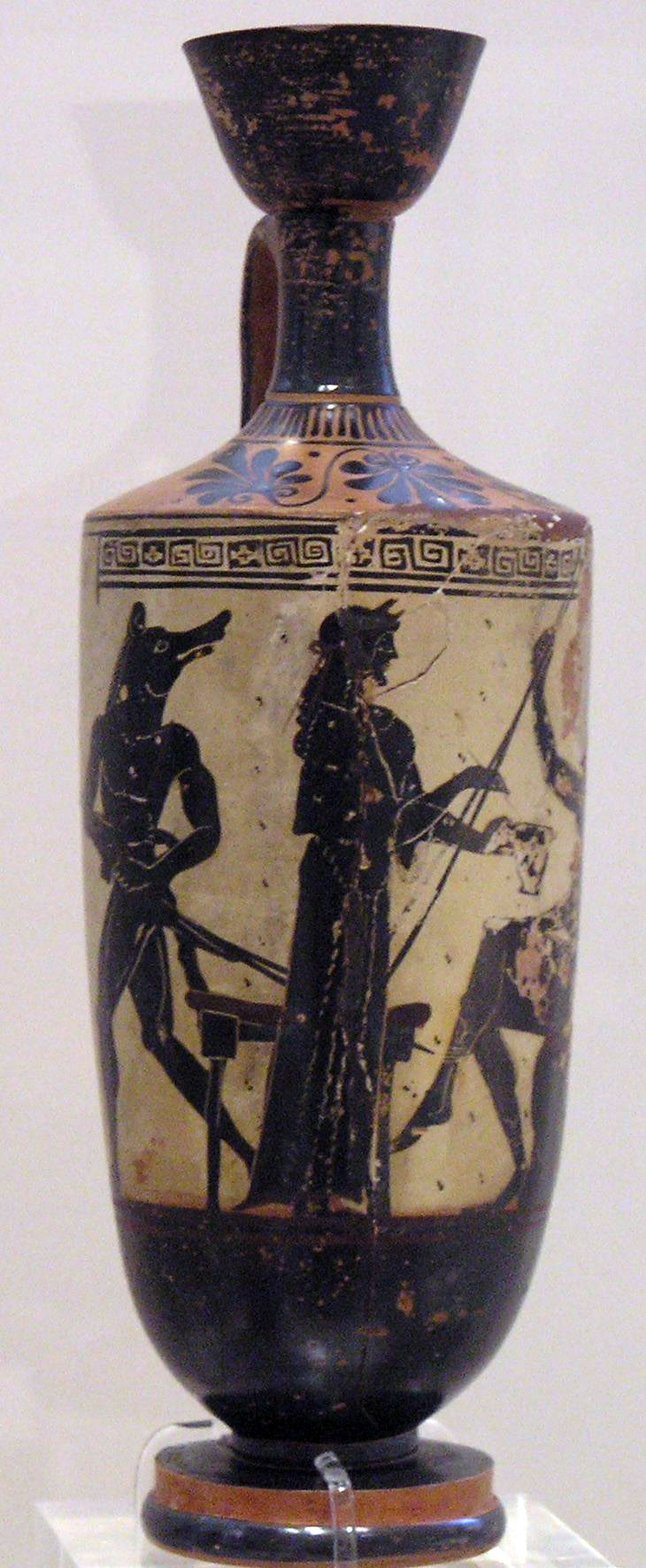
Afterwards, Circe restores the companions to human form and treats them as guests. The magical danger disappears with surprising speed. They eat, drink and remain in her house for an entire year. And here Circe becomes puzzling: the goddess of beautiful braids who turned men into pigs ends up caring for them, advising Odysseus and giving him the instructions he needs to continue the journey.
There is desire too. Odysseus shares her bed, and the poem does not show on Aeaea the despair it stages beside Calypso. In fact, his own companions have to remind him that the time has come to think again of Ithaca. After the initial threat, Circe does not keep him by force: pleasure, rest and a life temporarily free of danger are enough to delay the nostos.
That is why her case differs from those of the Sirens and Calypso. Circe is attractive, but her appearance does not enchant: her phármaka do. And once the magical threat has been overcome, the danger is more ordinary: the ease with which a pleasant place, an abundant table and desire can make one forget that there is still a road to travel.
Penelope’s subtle beauty
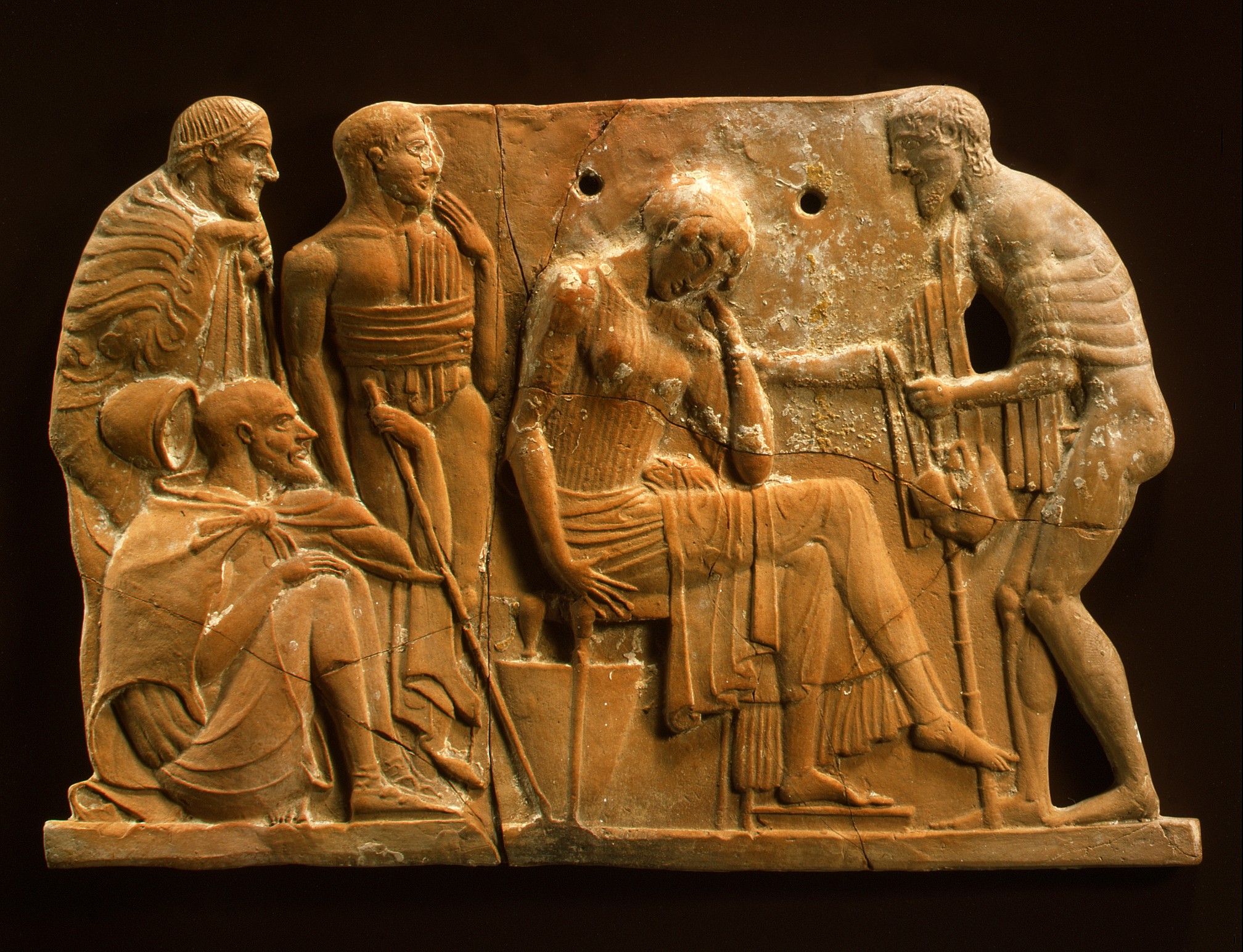
Sección titulada «Penelope’s subtle beauty»Homer does not describe Penelope physically. He does not tell us the shape of her face, the colour of her eyes or her hair. As often with his characters, he gives us hints and, above all, shows us the effect she has on those who look at her.
In Book 17, when she leaves her chamber, Homer compares her with Artemis and golden Aphrodite. The same association returns in Book 19, when she comes down to speak with Odysseus in disguise. The comparison brings together two different forms of divine beauty: the majesty of Artemis and Aphrodite’s power of attraction.
In Book 18, Athena decides to intensify that effect still further before Penelope appears before the suitors. While she sleeps, the goddess beautifies her face, makes her taller and more majestic in bearing, and makes her skin whiter than freshly cut ivory. The purpose is explicit: to increase the suitors’ desire and reinforce the esteem in which Odysseus and Telemachus hold her.
The scene is especially significant because Penelope has just said that she believes she lost her beauty when Odysseus departed. Soon afterwards, Eurymachus assures her that if all the Achaeans could see her, she would have still more suitors the next day, because she surpasses women in beauty, stature and intelligence. Penelope again replies that the immortals withered her beauty and form when Odysseus left for Troy.
There is a small irony here: Penelope says that she has lost her beauty precisely when the poem shows every man dazzled by her.
We do not know how far this sense of having faded expresses an intimate wound, a formula of modesty or a strategy before the suitors. The poem does not force us to choose only one possibility. Penelope knows that her presence has an effect and, in this very scene, succeeds in making the suitors offer her gifts. But her power does not lie in beauty alone: it also rests on her thought, her speech, her waiting, the loom, her reserve and the intelligence with which she manages an occupied household.
Nausicaa and Odysseus: beauty opens doors
Sección titulada «Nausicaa and Odysseus: beauty opens doors»When Nausicaa finds Odysseus beside the river, he is in the worst possible condition for making a good impression: naked, exhausted, covered in salt and completely alone. He does not yet know what land he has reached and knows no one who can help him. Before addressing her, he covers himself with a branch.
Athena has carefully prepared the encounter. The night before, she appears to Nausicaa in a dream and, speaking of her future marriage and the clothes she will need to wear, induces her to go to the river to wash them. Laundry is the pretext; the result will be the meeting with Odysseus.
Odysseus appears there first as a miserable castaway. Nausicaa does not flee and, even before he washes, explains that he has reached the land of the Phaeacians and that she is the daughter of Alcinous, who holds power among them. Odysseus then understands that the young woman before him can open the door to that society and bring him closer to the return he seeks.
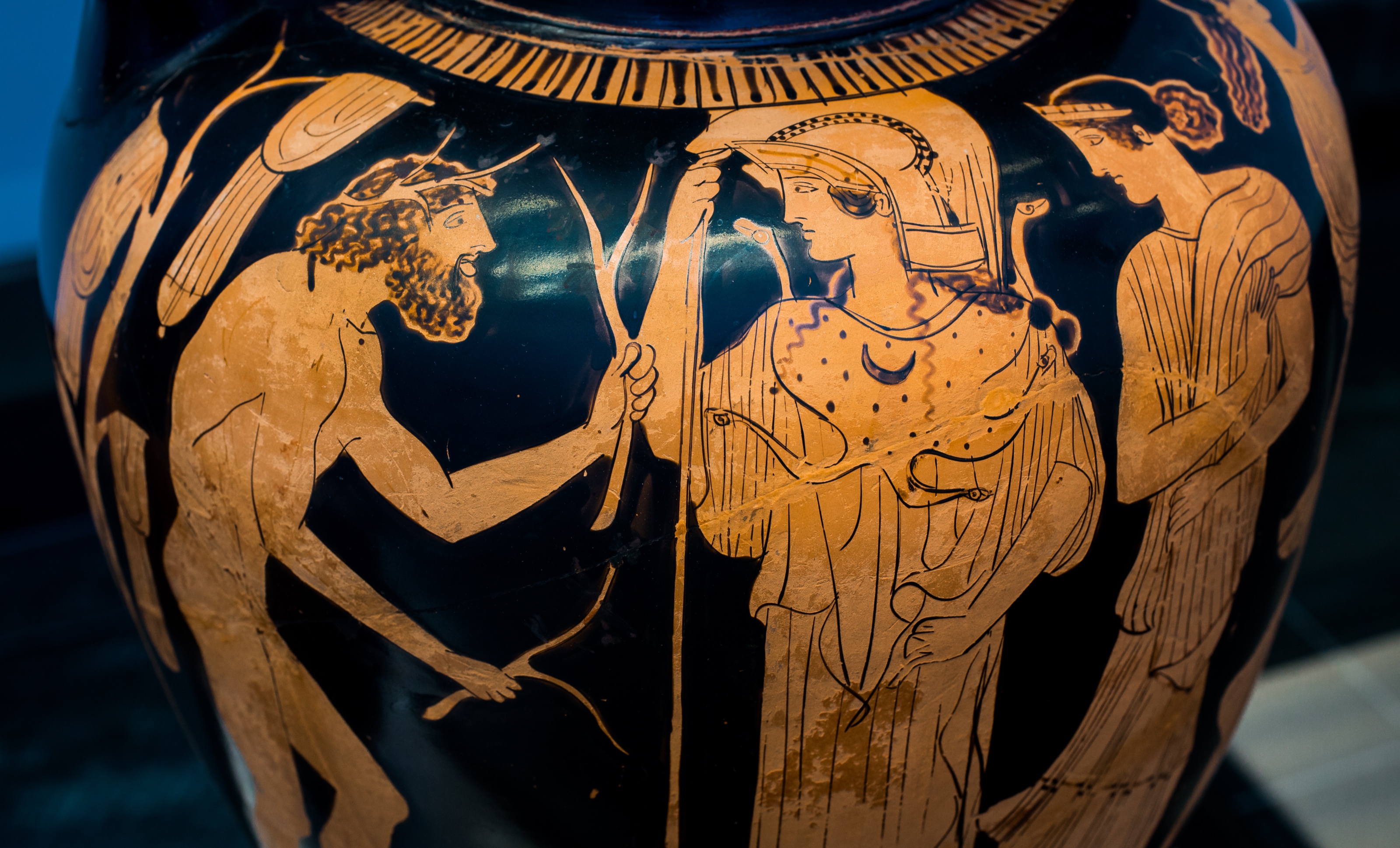
After the bath, Athena intervenes again. She makes Odysseus taller and more robust, pours grace over his head and shoulders, and makes his hair fall thick and curling like hyacinth blossoms (Odyssey 6.229–237). The transformation does not change who he is, but it makes visible a dignity that shipwreck had concealed.
Nausicaa now looks at the stranger with different eyes, is attracted to him and even thinks she would like a husband like him. It is no accident that this thought arises immediately after Athena has enhanced his appearance. The poem makes the two things coincide: an attractive appearance facilitates welcome.
Odysseus takes advantage of the situation, but not completely. From the beginning he carefully measures his behaviour. He does not throw himself at Nausicaa’s knees as a suppliant because he fears frightening her; he speaks from a certain distance, compares her with Artemis and praises her beauty, but uses that verbal skill to ask for help, not to begin a courtship. Afterwards he follows her instructions and also protects the young woman’s reputation.
Nausicaa acts with the same prudence. She gives him clothes, food and instructions, but makes him wait outside the city while she enters first with her maidservants: she knows what rumours the appearance of an attractive stranger beside her would provoke. There is desire, but no disorder.
Beauty has a very different function here from the one it has in Helen, Calypso or Penthesilea. Athena beautifies Odysseus to facilitate his integration into an unknown society, precisely through the king’s daughter. The initial help arises from hospitality; the beauty added by the goddess later intensifies admiration and interest.
In this episode, beauty does not destroy, detain or deceive: it opens a door. Odysseus needs to return to Ithaca, and Nausicaa is the first human connection that can lead him to those who will make that return possible.
The Odyssey leaves Nausicaa behind very quickly, and we do not know what happens to her afterwards. That absence must have seemed as suggestive to some ancient readers as it may seem to us today. Eustathius reports that Hellanicus and Aristotle made Nausicaa the mother of Perseptolis, son of Telemachus. Much later, Dictys of Crete develops another version: through Odysseus’ wish and prayers, Nausicaa marries Telemachus and they have a son named Ptoliporthus (Ephemeris belli Troiani 6.6). None of these continuations belongs to Homer or completes the poem; they show instead that ancient readers too felt the temptation not to leave Nausicaa simply beside the river.
The temptation continued in modern times. In 1897 Samuel Butler took Nausicaa’s unusual prominence much further: he proposed that the Odyssey had been written by a young Sicilian woman and that the princess was an autobiographical projection of its author. The hypothesis has not been demonstrated and today is chiefly of interest as an episode in the history of Homeric interpretation.
Robert Graves took up the idea in Homer’s Daughter (1955), but did something different with it: he turned it into a novel. He imagines a young Sicilian princess transforming stories, characters, places and experiences from her own world into material for the poem. Graves does not offer a historical demonstration of who wrote the Odyssey: he imagines how it might have been born.
Perhaps that says something about the character herself. Nausicaa appears for only a short time in the Odyssey, but leaves behind enough life for readers of very different periods to have wanted to continue her story.